|
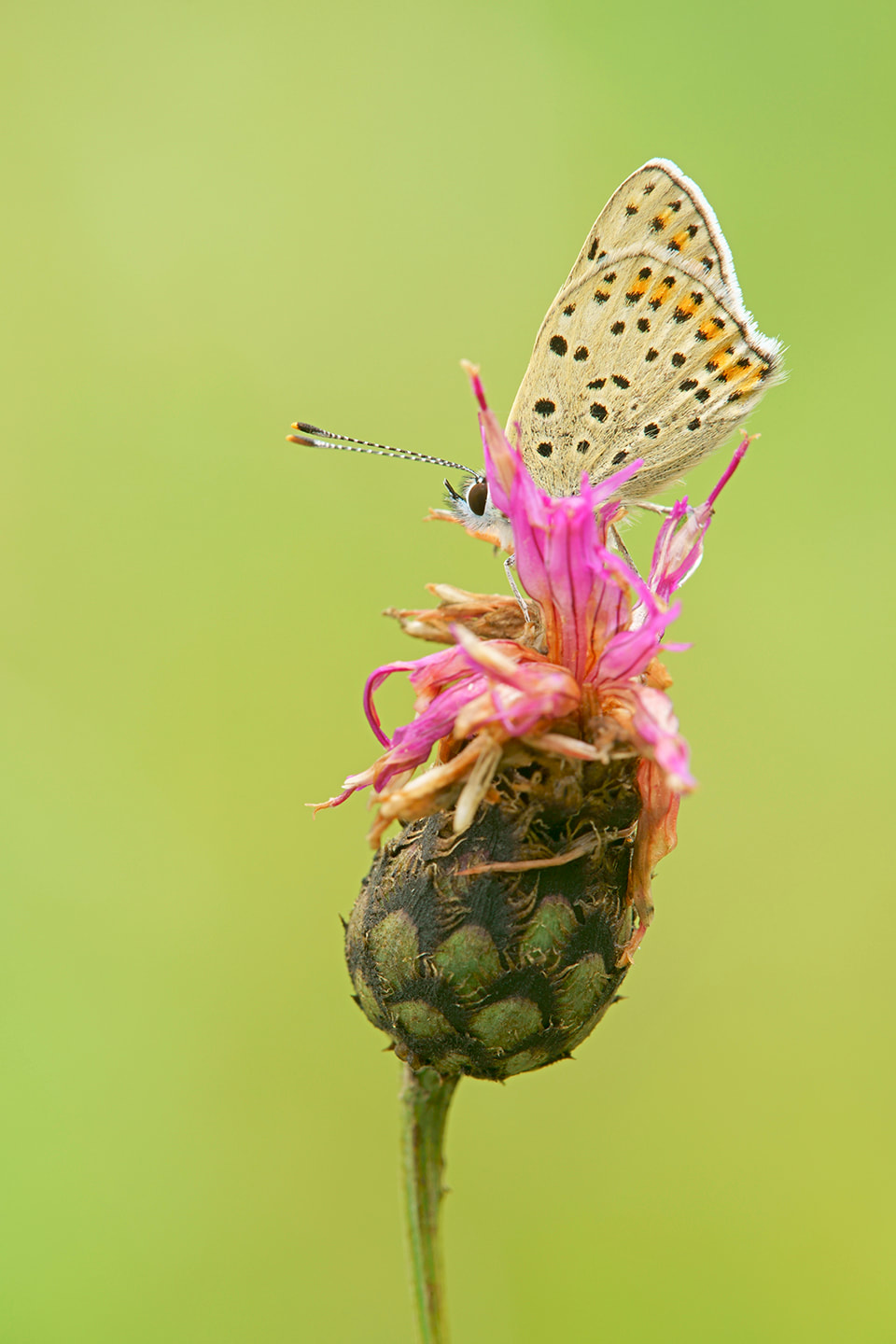
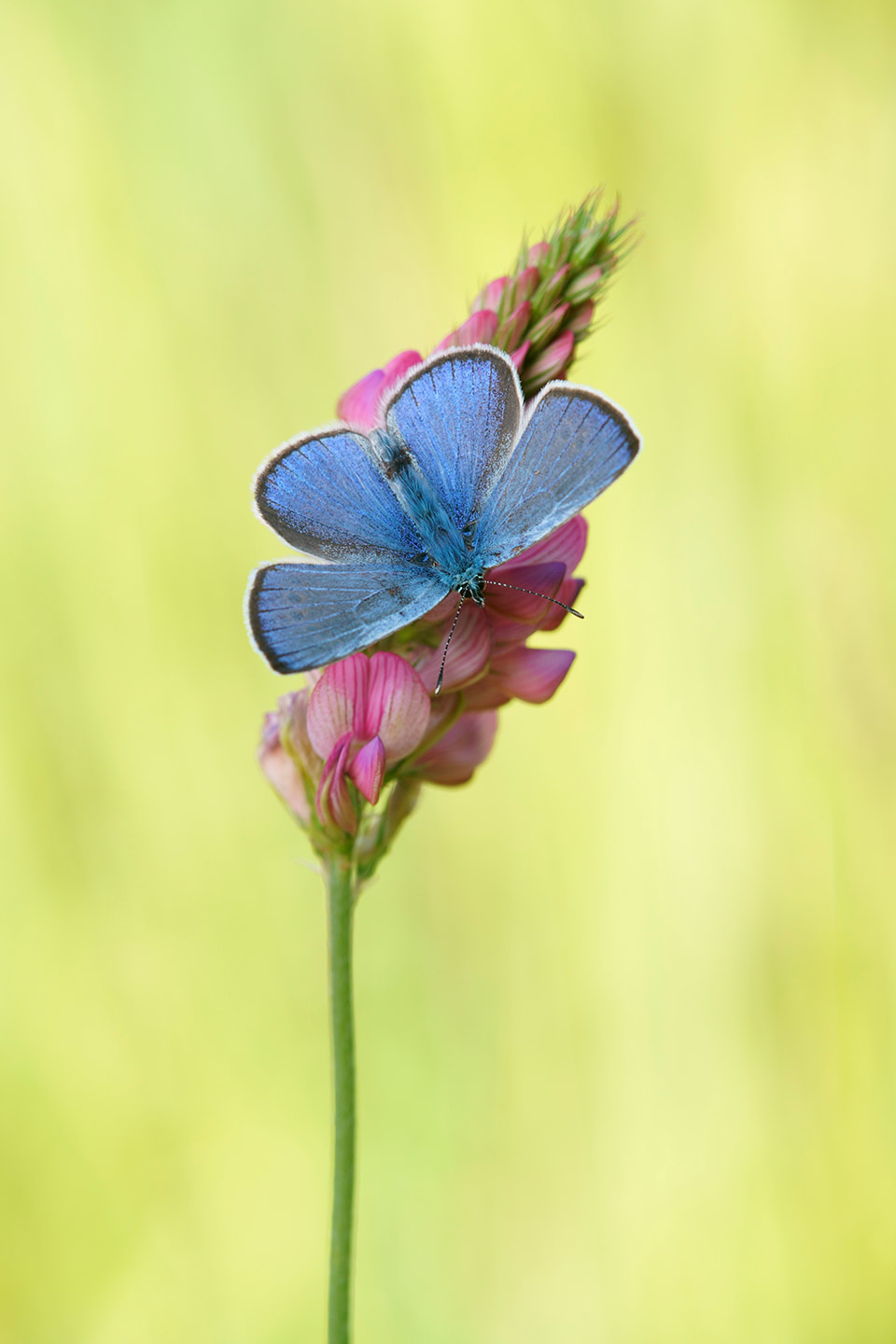
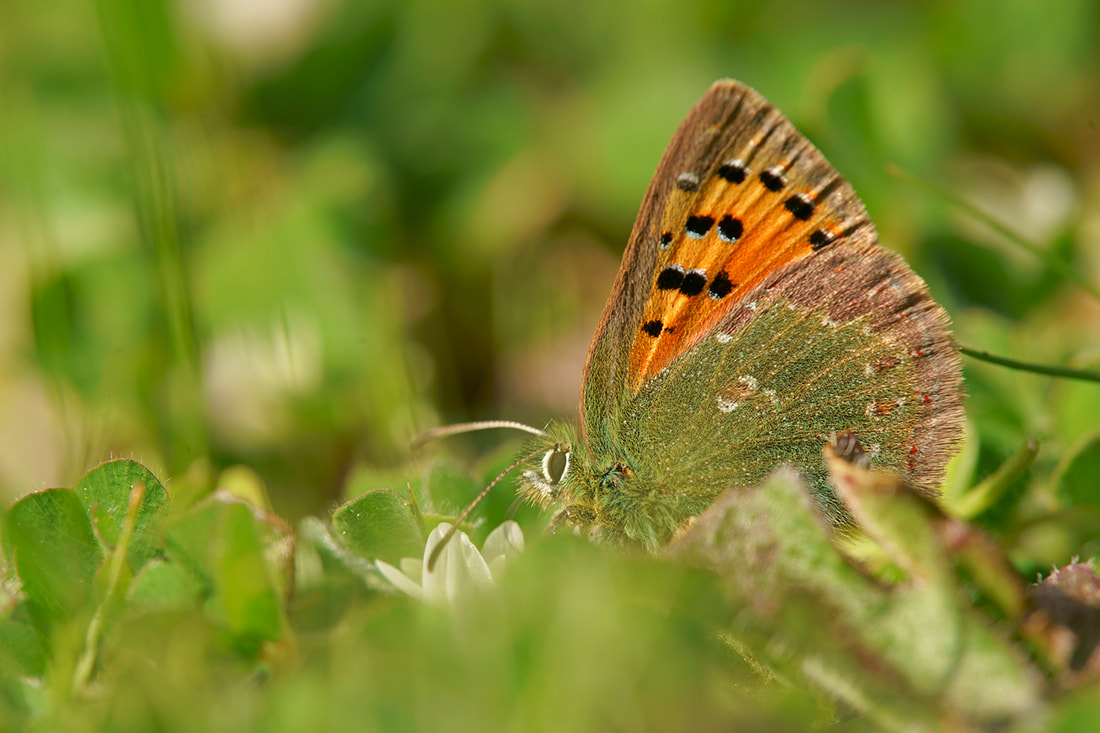
I'm back in the Netherlands and since days I'm very busy removing the weeds around my house. Five weeks vacation means a lot of work ;-). Exactely one week ago, I was at my favorite Aosta spot and I found a fresh Turquoise Blue which was roosting on Black Rampion. I took some photos with closed wings and searched for other roosting butterflies. Two hours later it was time to return to this butterfly as I wanted to catch him with open wings. When the sun came over the edge this little beauty opened his wings and it became clear why his name is "Turquoise Blue".  Turquoise Blue - Polyommatus dorylas That day I also found a freshly emerged Scarce Copper and Damon Blue and I wished I could have stayed another week. The counter remains at 96 butterfly species, not bad but I missed at least 10 other species.
2 Comments
The last week of my Aosta trip has started. I’m here now for four weeks and until now I counted 86 butterfly species. I still miss a lot (mostly blue) species. Very slowly it’s getting warmer but finding roosting butterflies early in the morning is still hard working. Normally around the accommodation there are always roosting butterflies/nice species to find but now it seems to be ‘off season’ and it took until yesterday before I spot the first Apollo. This morning we visited on other valley than usual and after a long walk we entered the world of the Glandon Blue. Actually I was hoping/searching for the Alpine Blue but unfortunately we did not find this species; instead we found at least 15 Glandon Blues. The majority of the Glandon Blues were roosting on Alpine Cat’s tail (phleum alpinum) and photographing them on this plant was due to the heavy wind almost impossible.
Fortunately I found two Glandon Blues roosting on other (with a thicker stem) plants. As the sun almost touched the mountain edge I choose the butterfly with the purple flower in the hope that it was male. Very quickly the sun came over the edge and within a minute the complete flower field was sunny; the butterfly next to me opened the wings first….it was a brown female. After two minutes ‘my’ butterfly opened the wings and it was a male….I created some shadow and he allowed me some images before he left.
Maybe in a few days I will return to this place as photographing the Alpine Blue again is on my wishing list for years.
The first week Aosta has passed by very quickly and until now we counted 40 butterfly species. Summer temperatures needs to rise and summer species still needs to emerge; a few days ago I saw in a higher area some fresh Orange-tips flying. But, I will not complain as I have no ‘choice stress’ and we often visited the area of the Iolas Blue as I wanted some decent photos of this species. On Wednesday we also visited this area after breakfast but all butterflies in this area were already flying around. I noticed a male Iolas Blue and dropped my camera bag on the path when suddenly a black snake crawled next to my bag. The first snake I have ever seen in Aosta, I was too much flabbergasted that I forgot to use my binoculars but I guess that it was a dark Western Whip Snake. No photos of the Iolas Blue as the sun was shining and they were flying around without resting. Yesterday, after two days of rain, we visited this area again and found a roosting Iolas Blue (I guess that she was surprised by the rain on Friday as between the showers the sun was shining shortly).  Female Ioloas Blue - Iolana iolas Unfortunately she was sitting on a spot with the longest shadow….so I waited three hours before she opened her wings. Although I plamped the twig of her larval foodplant, the heavy wind blowed her up and down during three hours and taking pictures with open wings was a kind of mission impossible.
Sitting three hours in the shadow and waiting for the sun was also not convenient for the cold I already have for weeks. So next week we're going to take it easy.
Yesterday evening we arrived in Aosta and after we unpacked the car we immediately went out, looking for butterflies. The meadows are full with alpine flowers but the butterfly season has yet to start. As we were tired after the long drive yesterday, I did not set my alarm clock this morning and after a cup of coffee we went out, not expecting much.
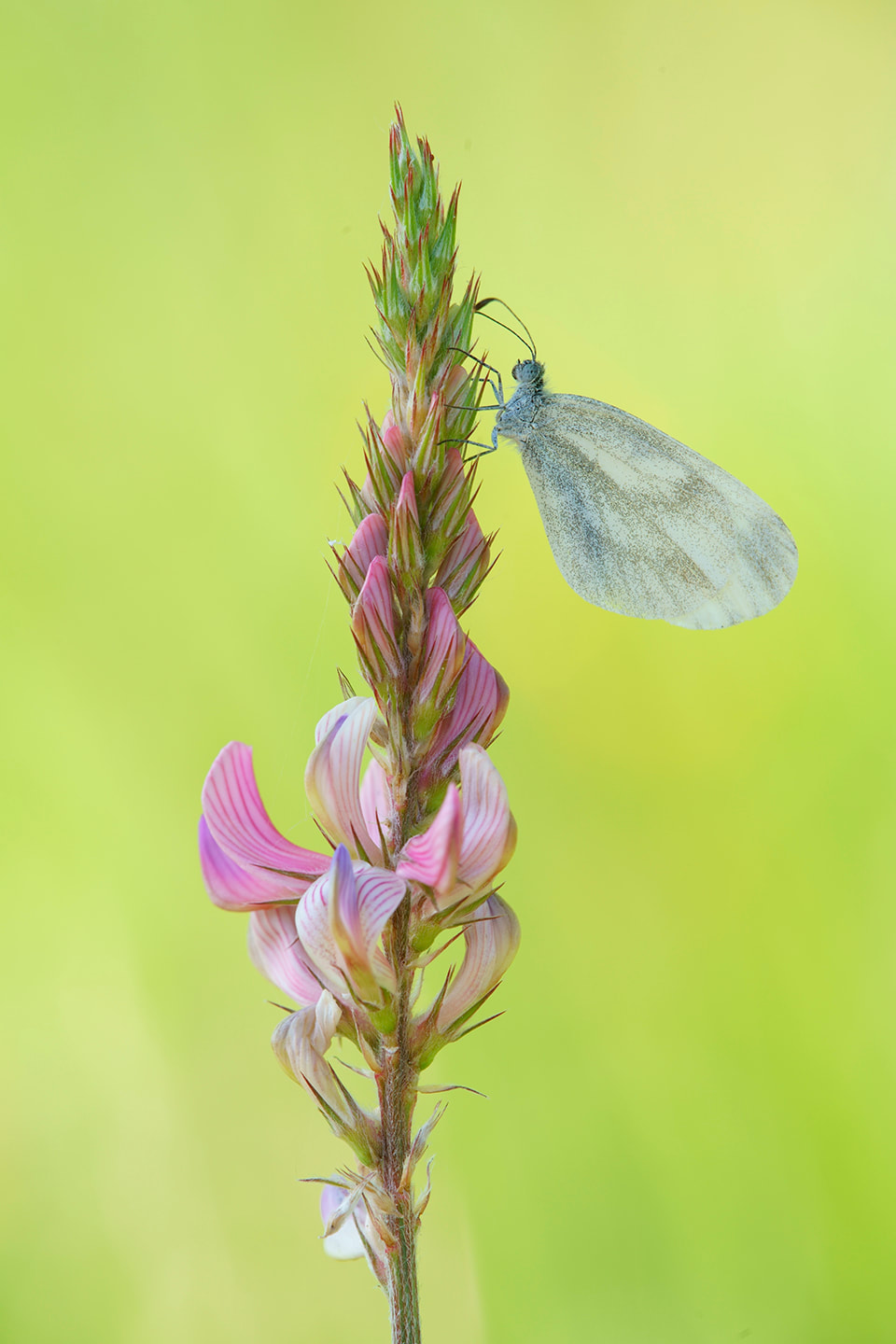
Two Green-underside Blues were roosting on Common Sainfoin and one of the Almond ringlets was sitting on a flower instead of low in the grass. As there were not much other butterflies we made plans to visit an other area after breakfast with the hope to find a new species: the Iolas Blue. This species flies on the southern slopes of the mountains. After we entered the area we spotted the first big blue butterfly and it became clear that it was not going to be easy as it is a powerful flyer, the slopes are steep and there are not many of this species. Long story short, one male and female were resting for a short time and I found an egg.....not bad for the first day in Aosta.
We will definitely visit this area again!
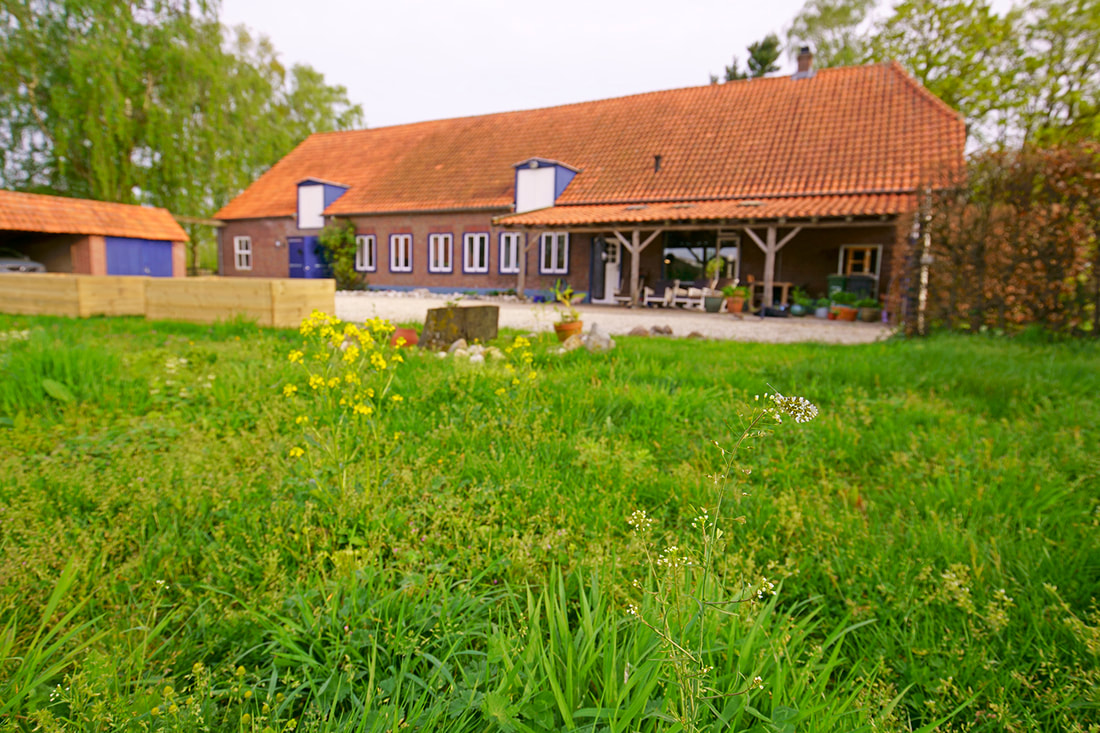
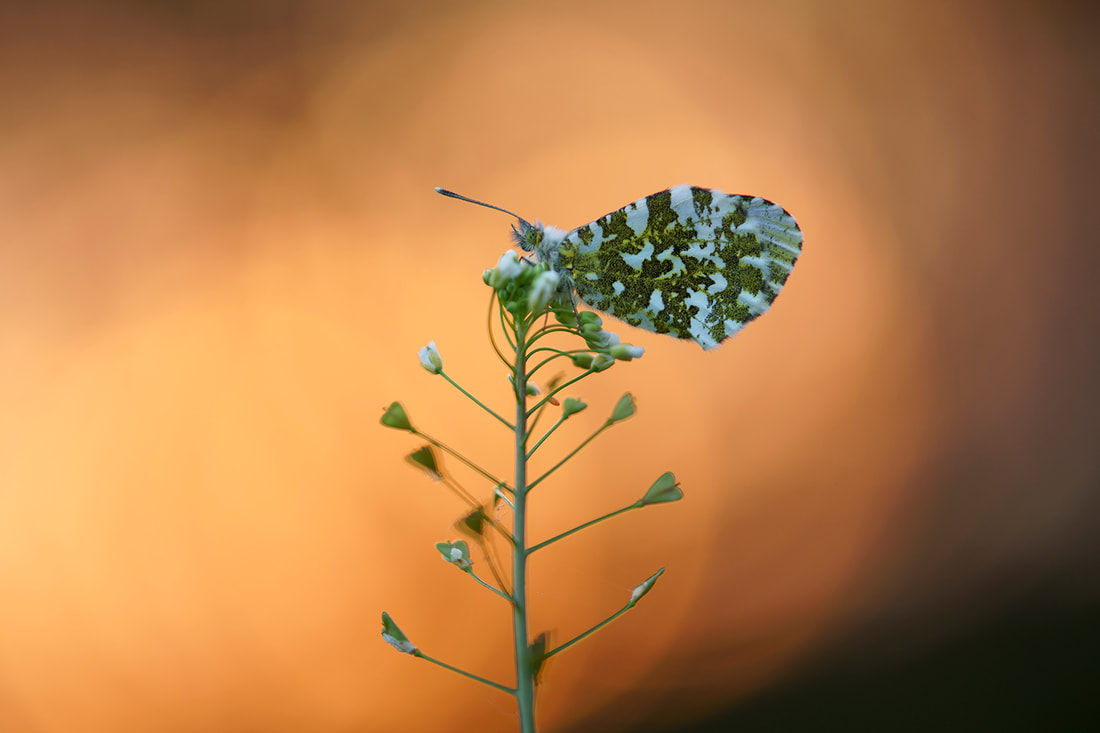
The last six months I was very quiet on the internet because my partner and I bought an old farm house and we had to move all our stuff. Since we moved in, a lot of jobs had to be done as it’s an old house with thick (not isolated) walls and single (not double) glass windows. We have a big garden which we want to change into a butterfly paradise and we want to grow our own vegetables. The first step we took is not mowing the grass/flowers anymore as I noticed that a lot of other plants like thistles are growing in-between. The second step was that we planted a lot of hedges and fruit trees. Due to the cold and wet spring season and the jobs which needed to be done I was not in the mood to go out and search for Orange-tips and other butterflies. Two weeks ago we had a sunny weekend in the Netherlands and in the evening I found a roosting Orange-tip in the garden so it was time to charge my batteries again!
The next morning I tried to catch the butterfly with sunrise but a big forest nearby unfortunately blocks the sunrise completely. But I will not complain as I’m happy with my new home.....and the little present the Orange-tip left. 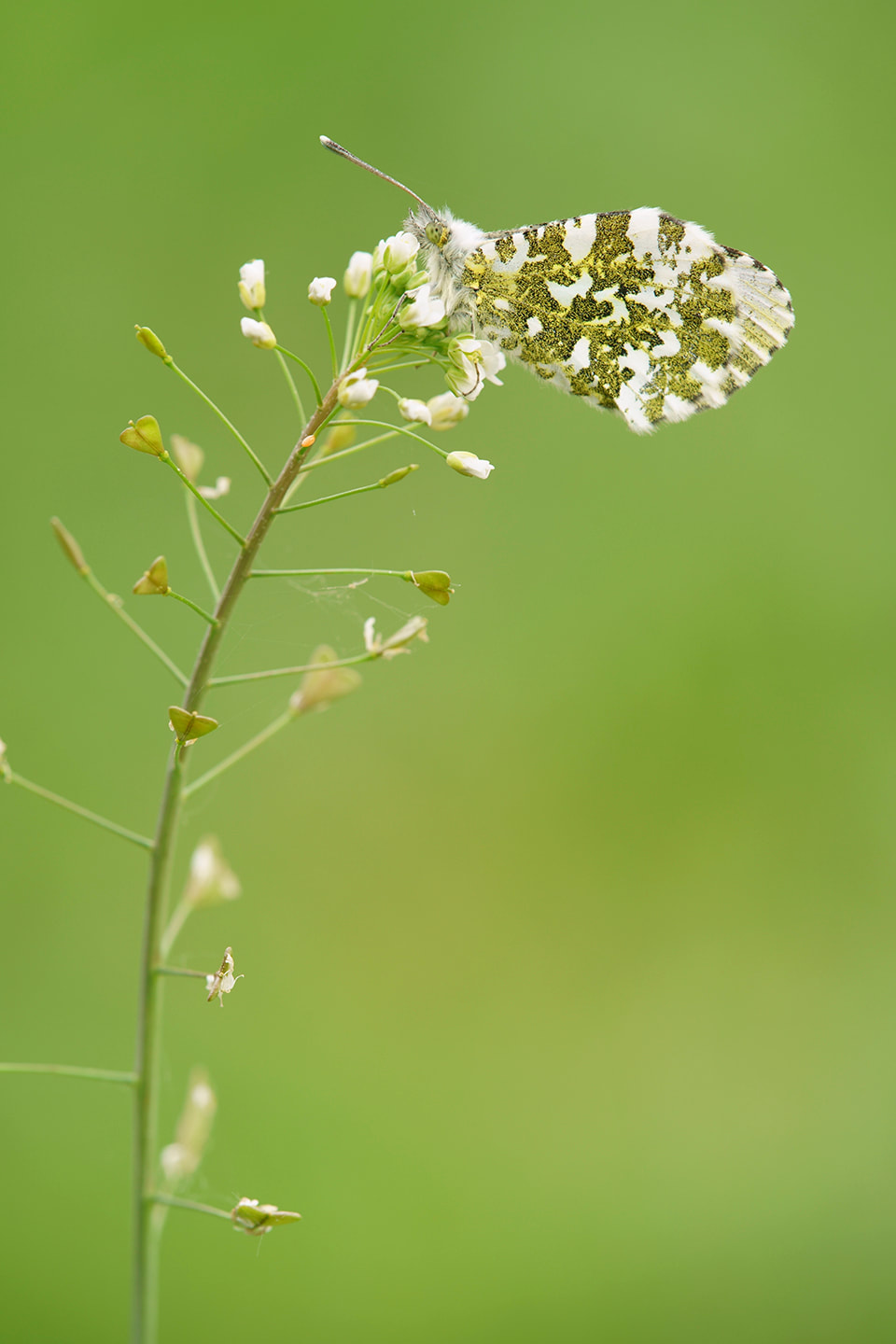 Female Orange-tip In February the Jordan brothers and I made plans to visit the Eifel this year during the first weekend of August. As the trip came closer the weather forecast became worse....it was going to be a wet weekend. We arrived Friday afternoon in sunshine and after we checked-in we visited one of our good old spots and noticed fluttering butterflies; what a relief after a bad butterfly season! On Saturday morning the alarm clock went off early and it was a good feeling to be out again and photographing roosting butterflies:
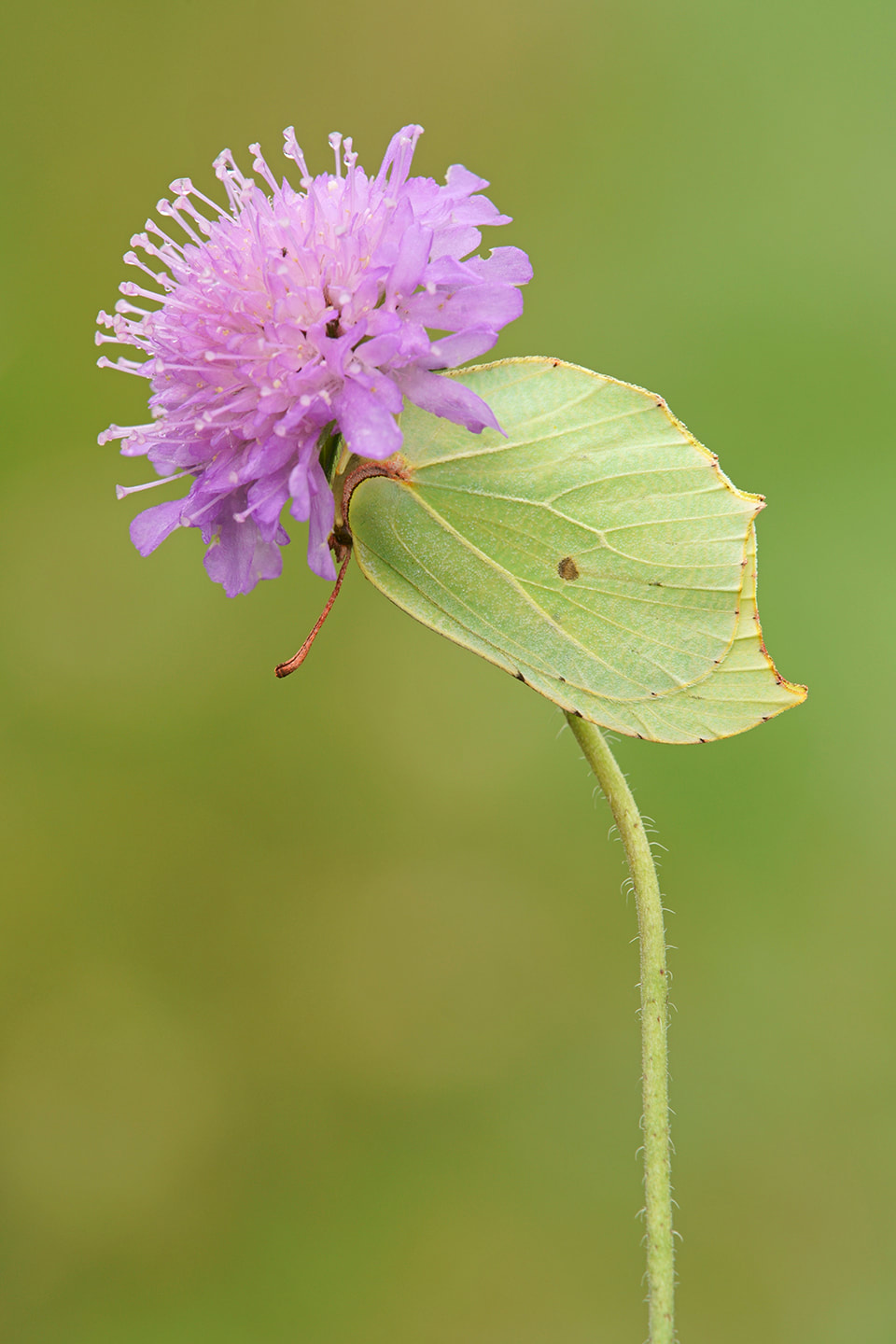
The weather was not bad at all and after we had made enough photos we returned to the hotel for breakfast. With a full stomach we returned to the same spot and with us the sun returned too....again we noticed fluttering butterflies but I only had eyes for one species: the Brown Hairstreak which came down from the bushes. 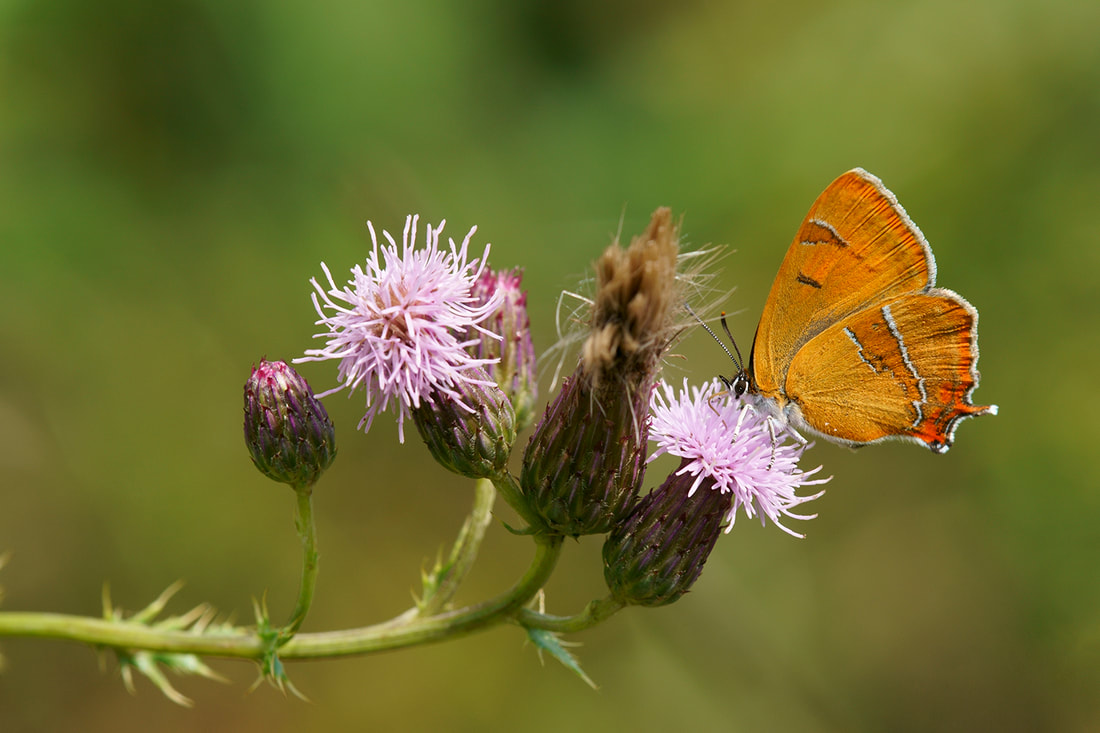 Female Brown Hairstreak After catching the Brown Hairstreak we visited our traditional 'Kaffee & Kuchen' spot. On Sunday morning we slept longer because rain was predicted...during breakfast the sun came out and we quickly checked out and drove to the spot where we found a roosting Brimstone and some Sooty Coppers the evening before.
After we photographed these two the heavy rain started and with a satisfied feeling we drove back to the Netherlands.
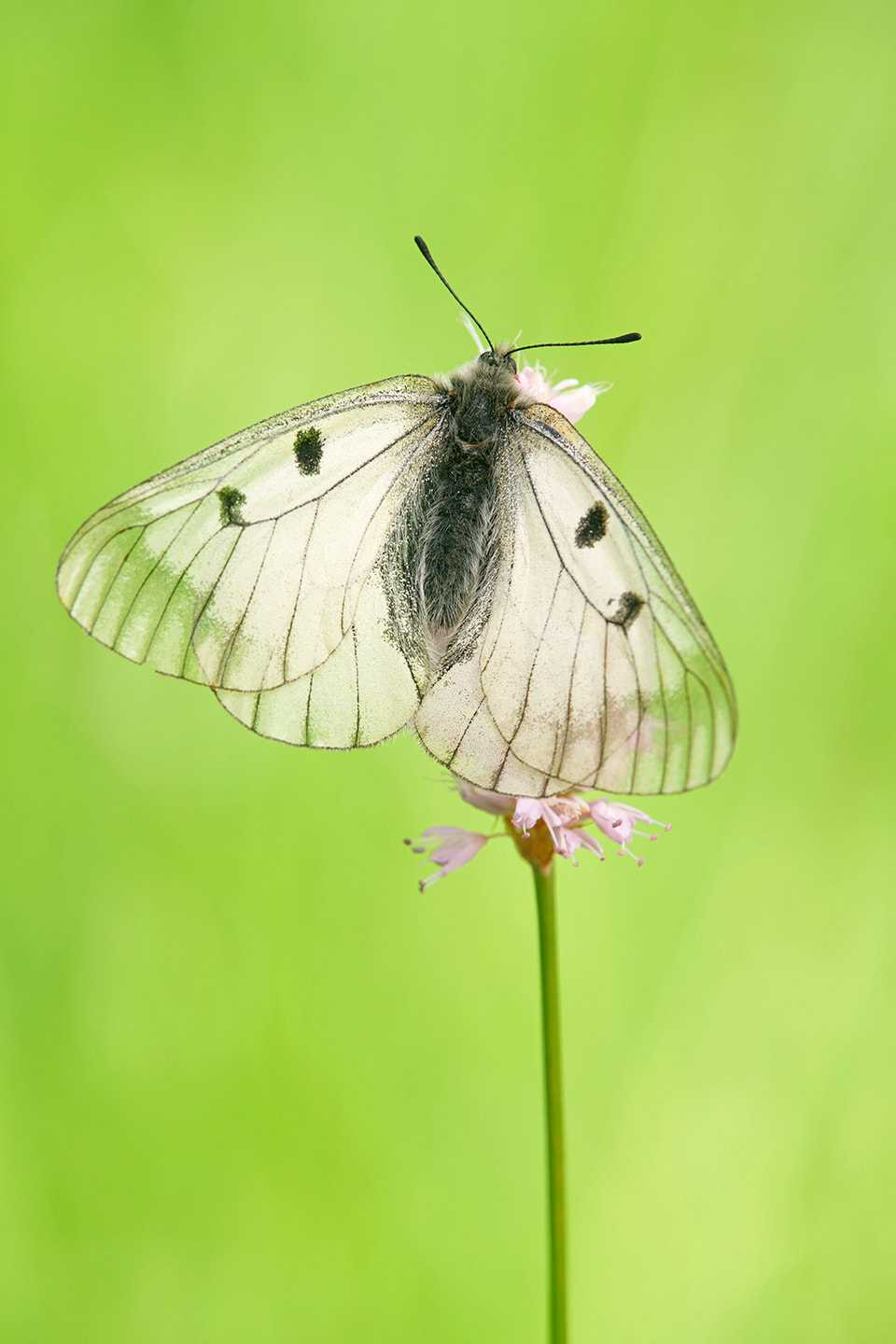
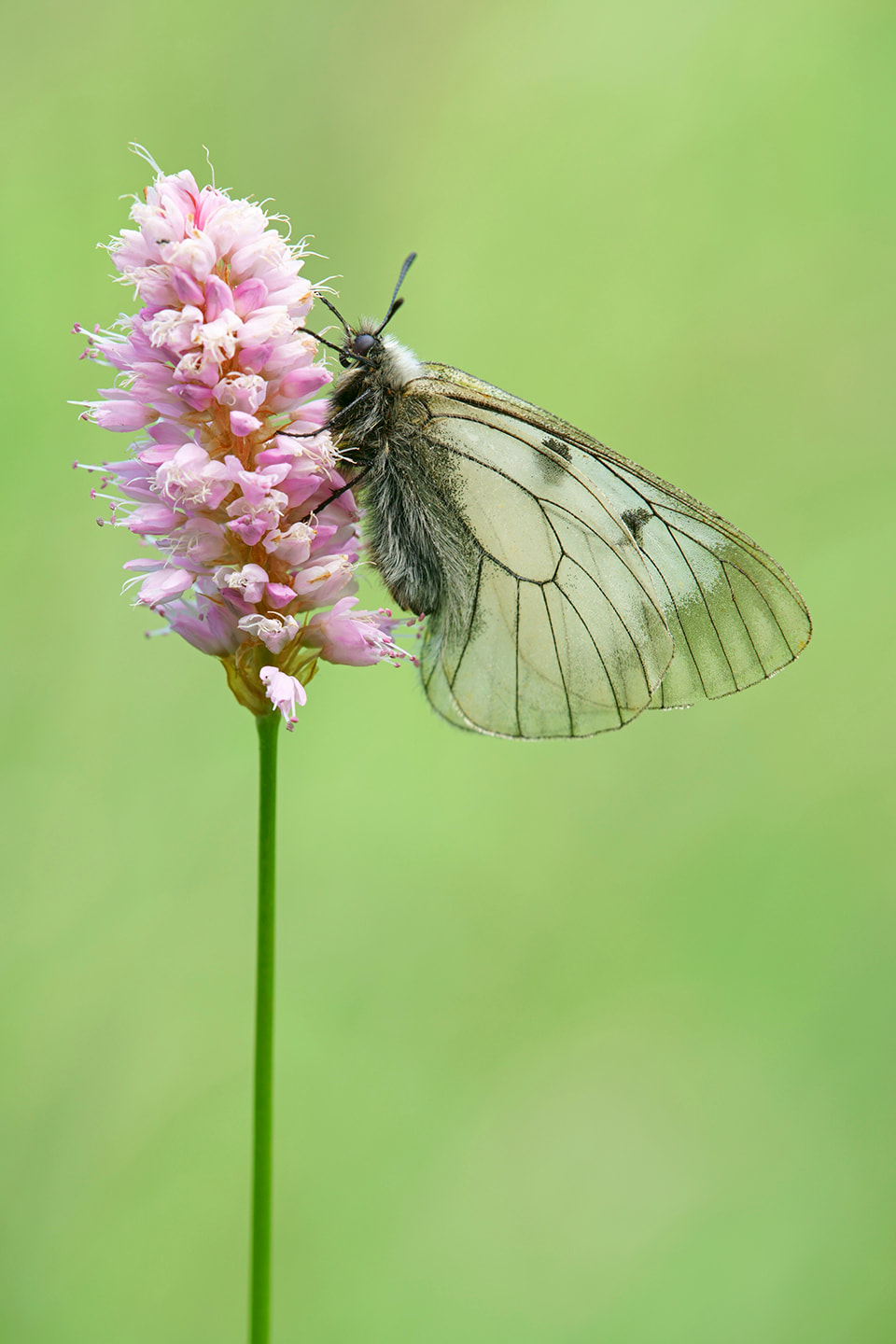
For more photos of this weekend please visit the page EIFEL. One of the reasons I wanted to visit the Röhn area was to catch* the Clouded Apollo before becoming extinct in this area. I only knew two higher locations but as the temperatures were low before our trip the chance to find them was low. I learned that there was a secret kept location on a lower part but I really didn't know where. The first days after arrival I visited the higher locations but there was no sings of a Clouded Apollo or any other butterflies. Long story short....after one week I found a good clue on the internet and finally I found the place with at least 10 flying Clouded Apollos! And as icing on the cake one Clouded Apollo was sitting on a flower near the path. 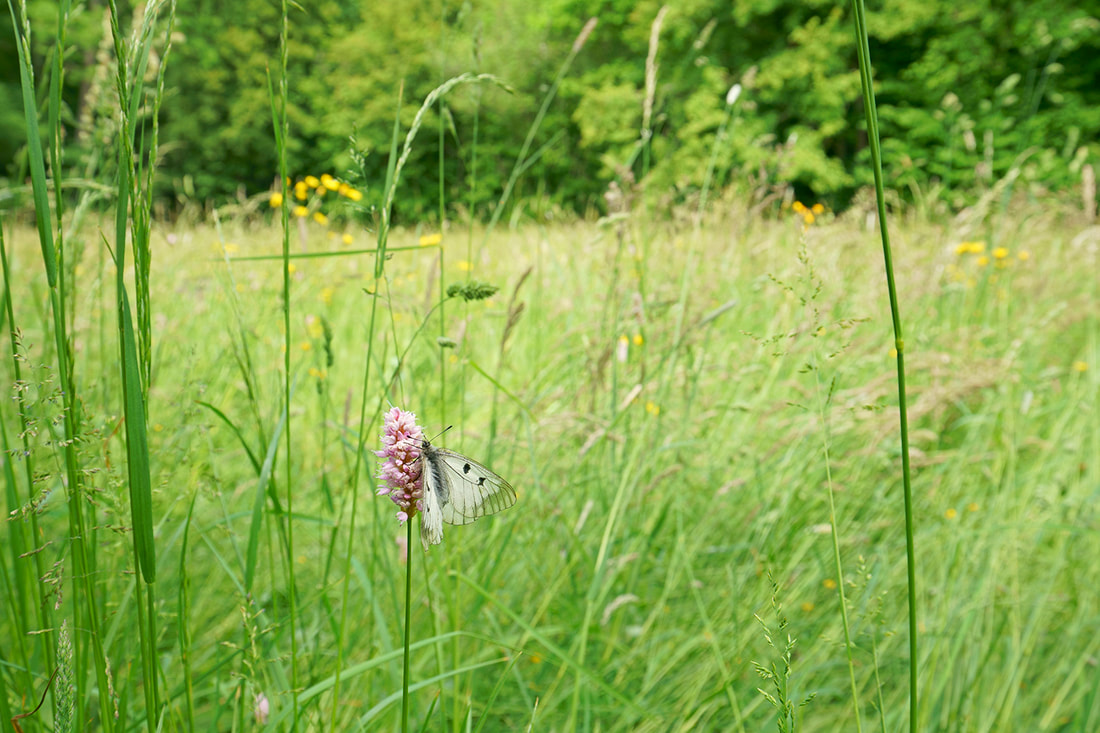 Parnassius mnemosyne - Clouded Apollo - Röhn I was very happy and started to photograph this butterfly but after a few minutes I noticed that something was wrong. Although the butterfly was drinking nectar he could not fly. I walked around and when I came back he was still sitting on that flower....not a good sign but fortunately there were some other Clouded Apollo's flying around.
The next day I returned and this butterfly was still sitting next the path and on the path I found a dead fresh Clouded Apollo....not a good sign! I placed the butterfly on an other flower and he immediately started drinking. I guess that the area has too few nectar plants that some butterflies are starving.
Although I found this rare species I was not in happy mood and I guess that they will disappear if nothing happens. For years the Röhn region in central Germany was on my wishing list for butterflies; normally I visit the Eifel at this time of the year. Last year the amount of butterflies was disappointing low in the Eifel that I booked a hotel in the Röhn area for one week in May/June this year....I wanted more butterflies! The first morning we visited a nature reserve nearby but we couldn't find roosting butterflies, as it was the first day I had good hope that the situation would change. 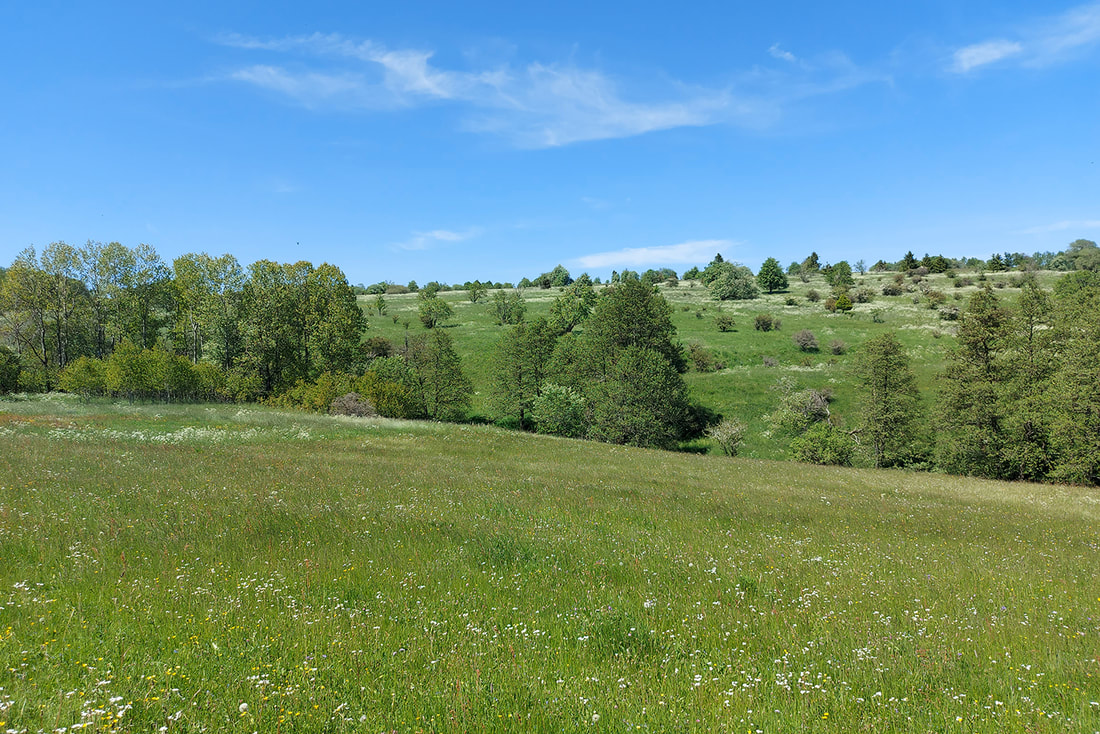 During the week we visited a lot of nature areas in every corner of the Röhn but no meadows with fluttering butterflies. Sometimes one or two butterflies were flying around and that's it. One day we came back from an area and next to a small road a lot of common sainfoin was growing/flowering and finally I saw a lot of fluttering butterflies. The next morning we visited this small area next to the road again and found the first roosting butterfly: a green-underside blue!
On a sunny hillside we discovered a small area with a lot of flowers including common sainfoin again and three mornings I tried there to catch some blue species with open wings which was not easy due to the heavy wind. On Saturday, the day of our departure, a Chapman's Blue was very cooperative and did not fly away immediately. Although we counted 33 butterfly species during our stay, I only found 7 species/12 butterflies roosting, the absence of butterflies is frightening! 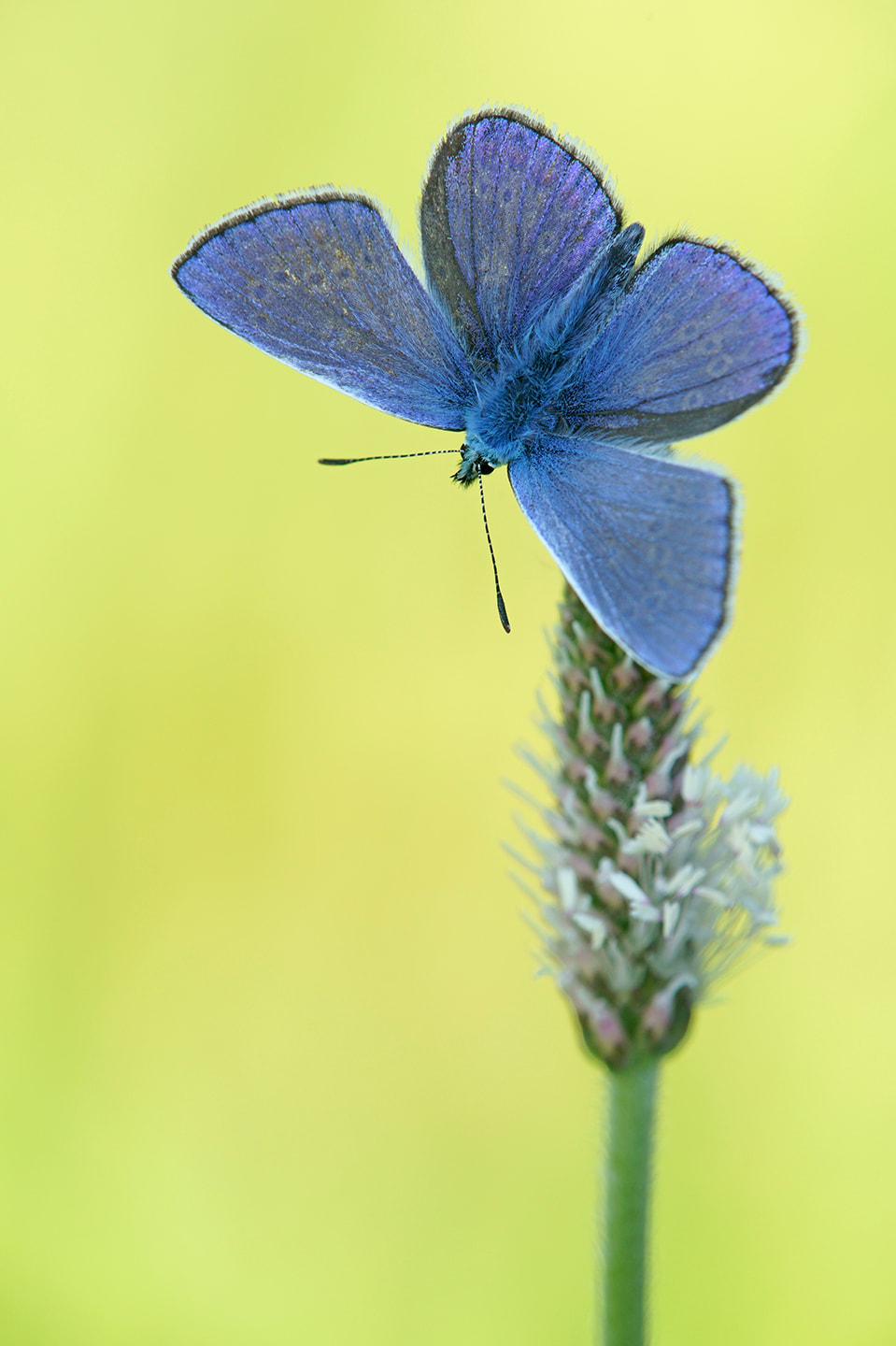 Chapman's Blue Last Tuesday it was the last day with summer temperatures and again I noticed a fresh Provence Hairstreak around the accommodation. Near the house a lot of small marguerites are flowering and the Provence Hairstreak likes them a lot but when I approached her (it was a female) with my white umbrella she disappeared immediately. So I placed the umbrella above a part of the highest flowers and waited...and waited....and then she came. She granted me two photo's...as you can see her left frontleg is in the 'flying away position' and she is moving her hind wing...ready to take off again. 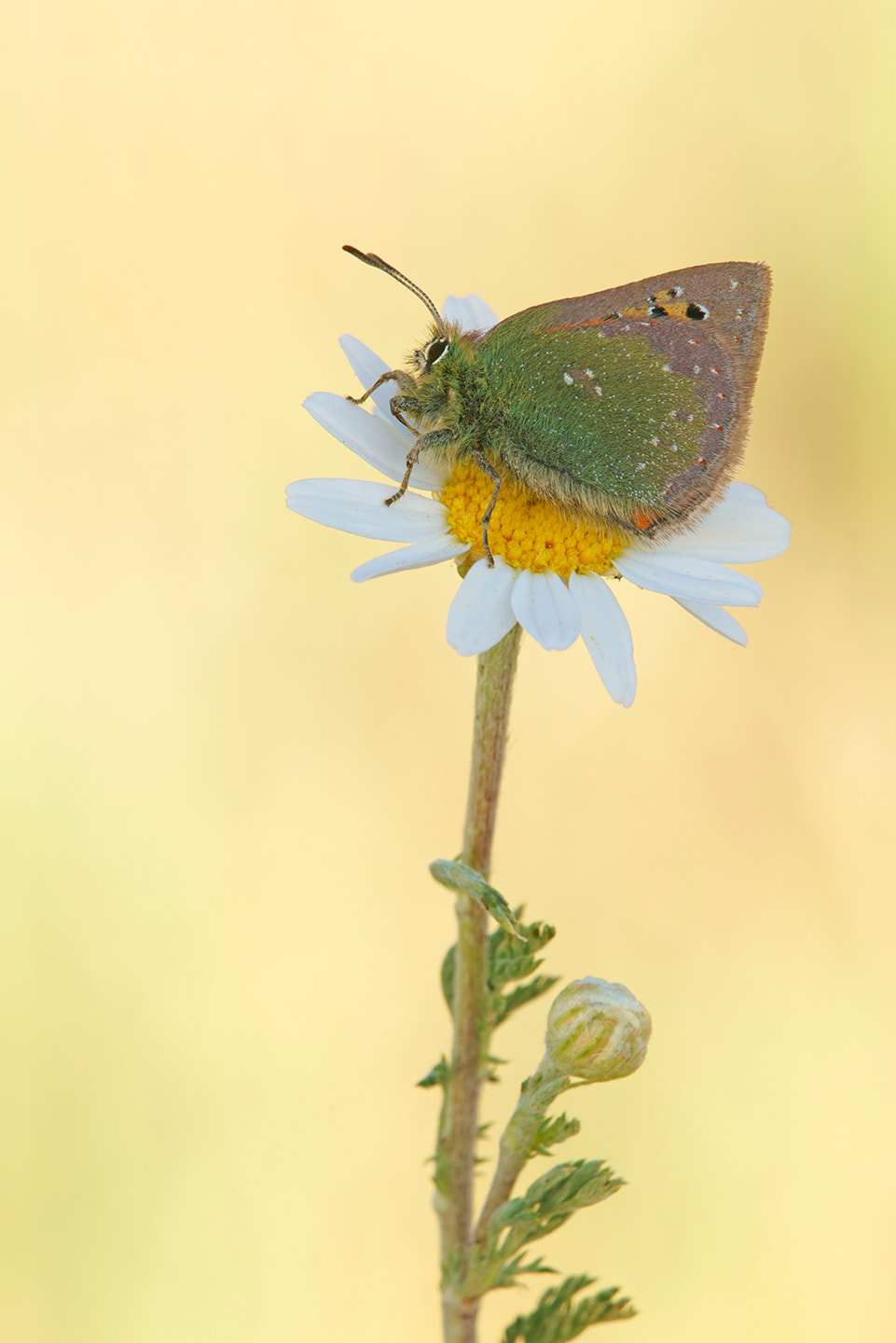 Female Provence Hairstreak (tomares ballus) A second butterfly species which I loved to photograph is the Spanish Festoon (Zerinthia rumina); every day I saw one or two flying but finding them roosting was an other thing. Yesterday we were driving through the hills into a nature reserve; in a beautiful valley we took a break and immediately I saw a Spanish Festoon flying around. Soon I saw more and counted four butterflies; after seeing them flying around for almost one hour there was a good chance that they were local flyers in that part of the valley. Although the weather forecast was not that good this morning we drove to the same spot to search for the Spanish Festoon and within a few minutes we found all four of them within a few meters roosting at/in bramble bushes: 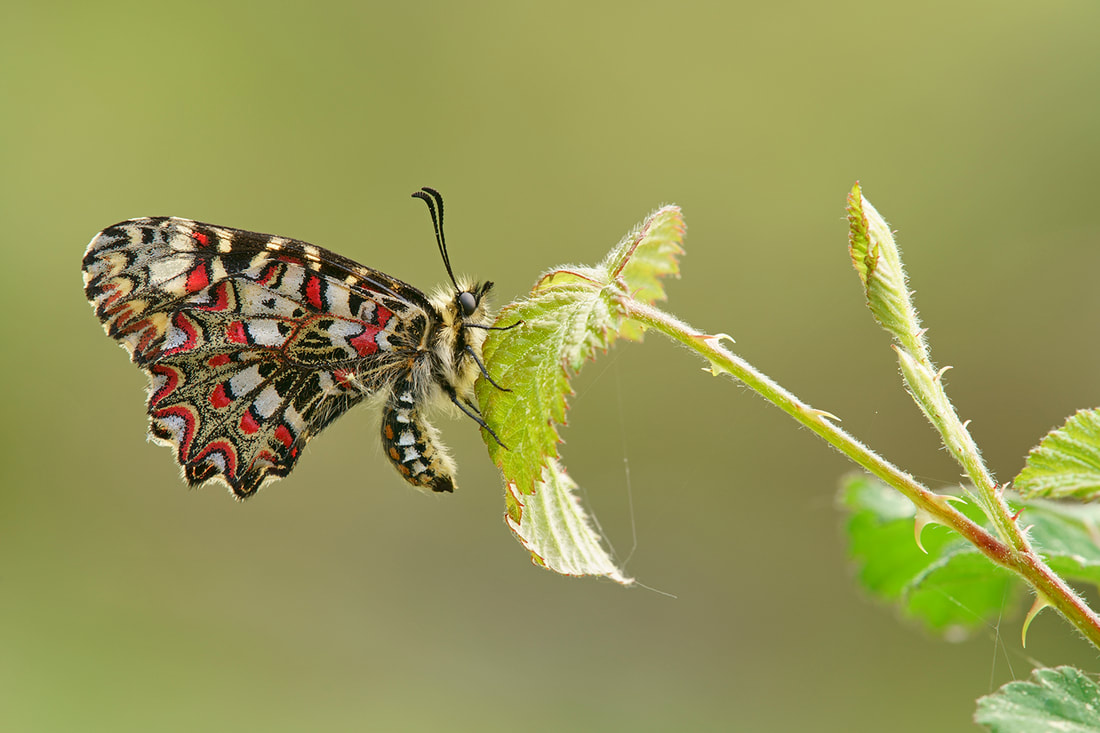 Female Spanish Festoon (Zerynthia rumina) Unfortunately our holiday is over and tomorrow we will driving back home...fortunately with beautiful memories and photos!
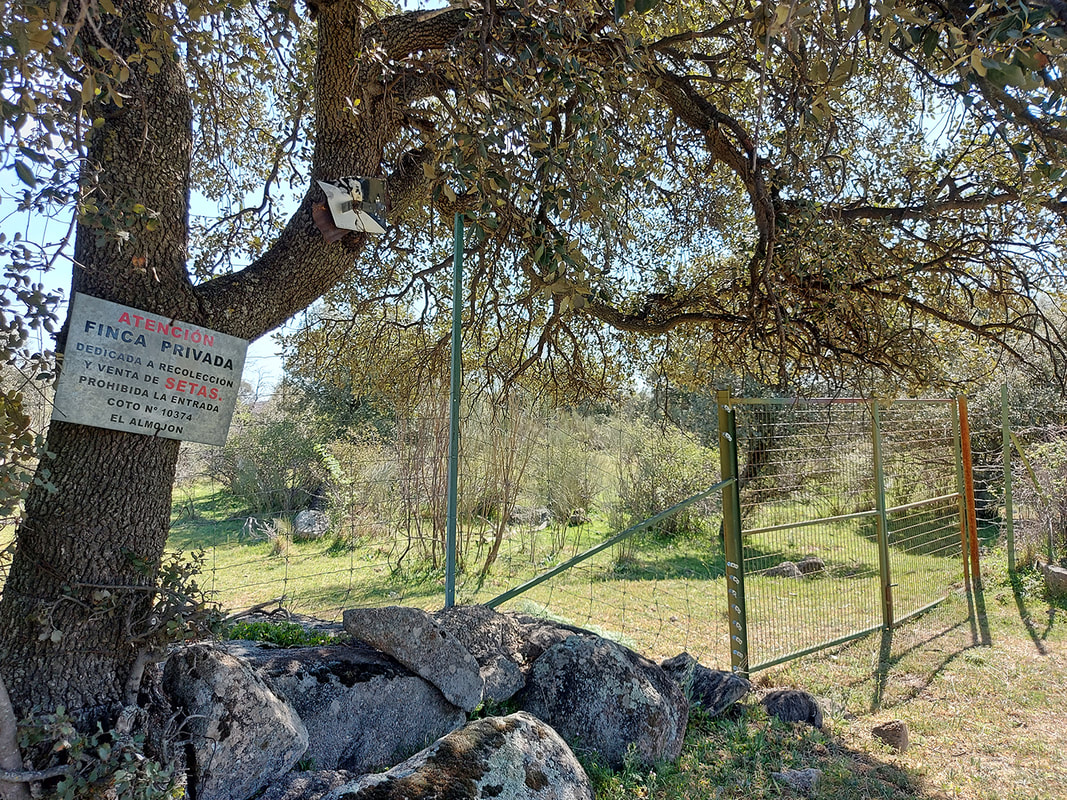
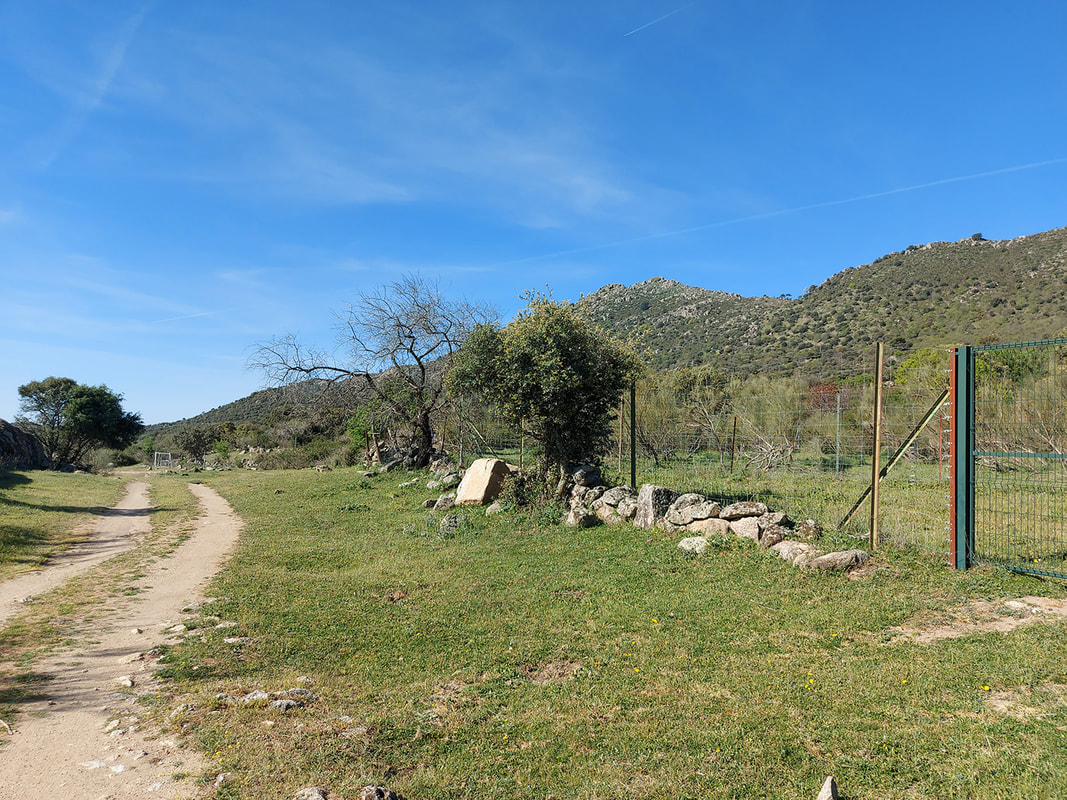
In the higher parts of the hills we discovered, actually my friend did, a spot/area with a lot of Provence Hairstreaks and the good thing about this spot/area is that it is accessible. Having access to meadows in this area of Spain it's almost impossible as everything is in private hands and behind high fences. During the first week we drove around to search for butterfly meadows but we did not find them, almost every square meter of land is in use for cattle and fenced. Only small parts near roads and paths are available to search for butterflies even in the higher part of the hills.
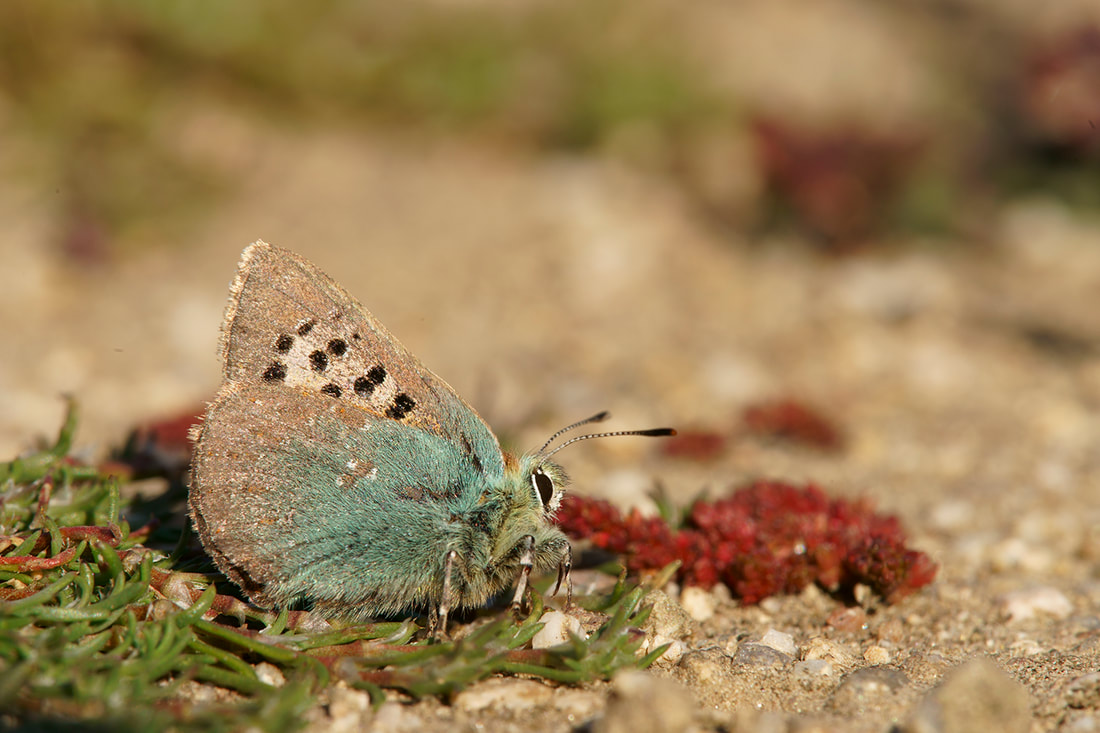
The area where we found a lot of Provence Hairstreaks is fenced as cattle is grazing but fortunately still accessible. As this species is roosting in bushes the only way to photograph them is at day when the sun is shining. The females of the Provence Hairstreak loves it to sit low at the ground and it is very difficult to make a photo without disturbing material in the back or foreground (and there is a lot when cattle has been grazing). Fortunately the males are often sitting higher to look after a nice female.
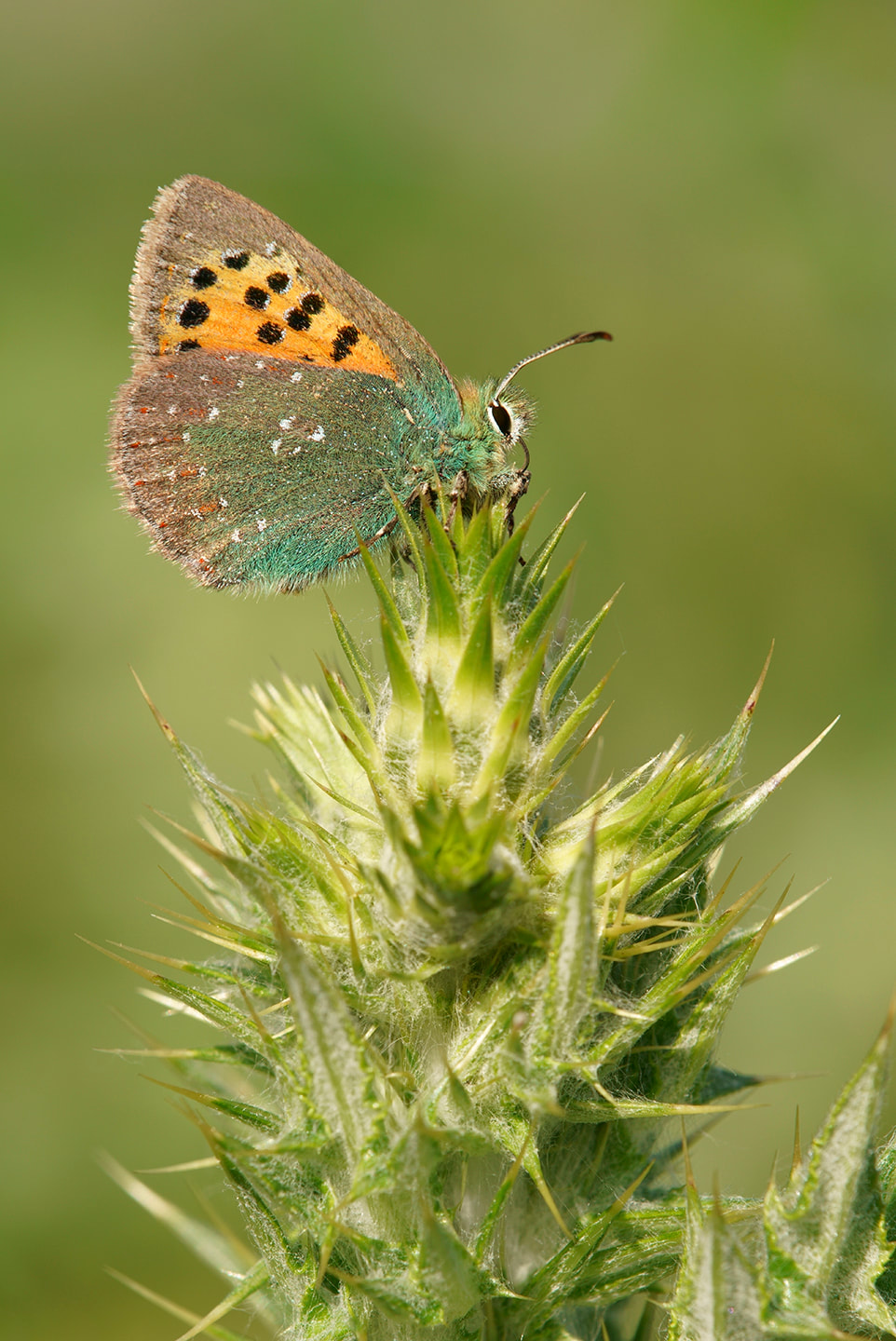 Male Provence Hairstreak (tomares ballus) Next to the Western Dappled White the Provence Hairstreak is the most common butterfly at the moment in this region; especially on the higher parts of the hills. With 5 days left some more Provence Hairstreaks will probably be photographed!
|
Jibt dir dit Leben mal een Buff, denn weene keene Träne. Lach Dir'n Ast und setz Dir druff und baumle mit de Beene.
Archives
July 2024
Categories
All
|


 RSS Feed